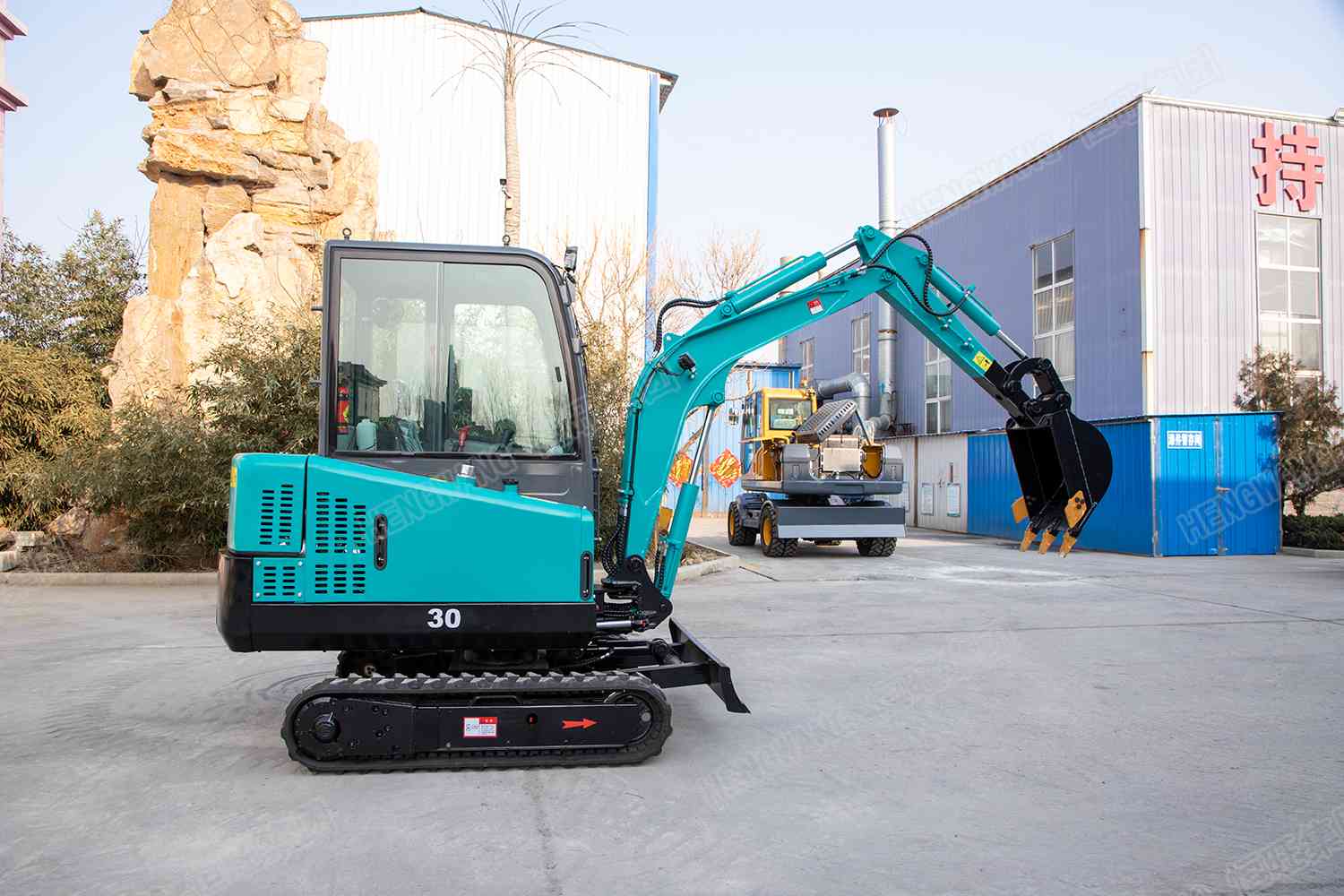
1. Initial No-Load Running
After replacement, run the excavator without load for 20-30 minutes (extend to 40 minutes in low-temperature environments). Actuate the cylinders through full strokes every 5 minutes to ensure smooth hydraulic oil circulation.
2. Load Application Standards
Gradually apply loads in stages: 30% → 50% → 80% of the rated load, running for 10 minutes at each stage. Closely observe the pump for noise and vibration.
3. Instrument Parameter Monitoring
Continuously monitor pressure (80%-90% of the rated value), oil temperature (55-75℃), and flow. Stop operation immediately if fluctuations exceed ±10% or the temperature exceeds 85℃.
4. Pipe System Inspection
After 15-30 minutes of operation, check pipe joints and flanges for leakage and ensure pipe clamps are secure.
5. Abnormality Detection
In case of unusual noise, vibration, or alarm signals, refer to the system diagram to troubleshoot sensors, flow valves, and other components.
6. Filter Maintenance
Inspect the return oil filter every 100 hours. Replace the filter if the pressure difference exceeds 0.3MPa, and analyze pollutant types to identify failure sources.
7. Oil Temperature Monitoring
Record the oil temperature curve during continuous operation, ensuring the temperature rise is ≤3℃/minute. Check the radiator and fan if the limit is exceeded.
8. Action Coordination Test
Test compound actions (e.g., boom + swing) for sticking. Investigate the flow distribution valve or pump displacement adjustment mechanism if issues are found.
9. Regular Oil Analysis
Test the oil every 200 hours for viscosity (±10%), moisture content (<0.1%), and contamination level (ISO 18/16/13).
10. Valve Adjustment Principles
Adjust pressure valves by ≤1/8 turn each time and lock them afterward. Set flow valves 15%-20% higher than required, and maintain the same neutral function as the original pump for direction valves.
11. Running - in Period Management
Focus on inspections within the first 300 hours: measure bolt torque at 50 hours, clean the radiator/air filter weekly, and record fuel consumption fluctuations (≤15%).
12. Failure Prevention Strategies
Establish a maintenance file and conduct preventive maintenance every 2,000 hours (replace seals, clean the oil tank, and calibrate sensors).
Expert Tip: Have ASE-certified technicians perform the replacement. Use a torque wrench to fasten bolts as specified and a laser alignment tool to ensure the concentricity error is <0.05mm.
Mastering these points can extend the pump's service life by 25% and reduce sudden failure risks by 40%. Follow Hengwang Group for more maintenance insights!